Kasuga Taisha at a glance
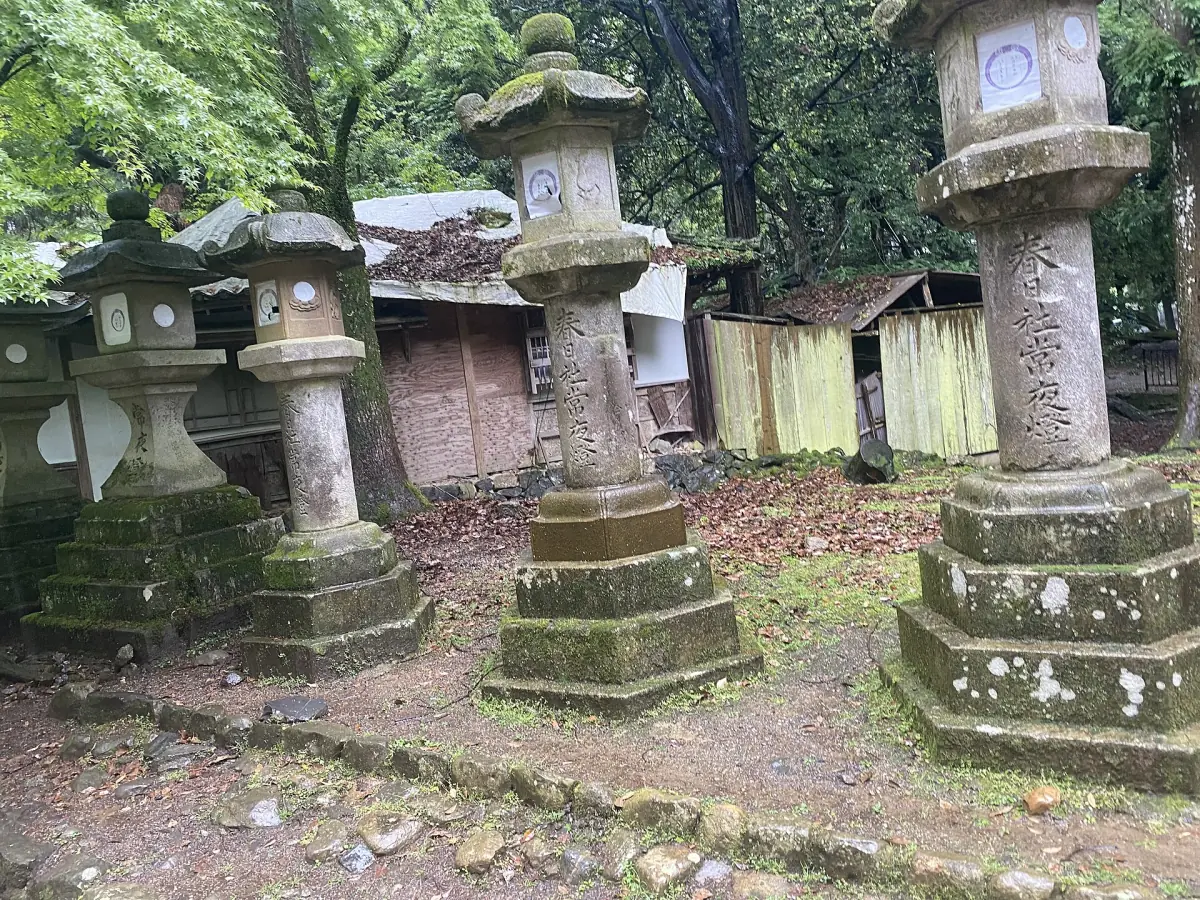
Kasuga Taisha is a Shinto shrine, not a Buddhist temple. That matters for how you behave there: treat the grounds as a place of worship and follow the signs. The shrine lies at the eastern end of Nara Park, at the end of a path lined with stone lanterns, and many visitors pair it with a walk through the deer park.
This site is an independent guide and is not run by the shrine. Fees are in Japanese yen as of 2026. The shrine can close parts of the grounds for rituals, so check the current notices before you go.
Hours and fees
What the shrine and its garden charge in 2026.
| Visit | Hours | Fee |
|---|---|---|
| General shrine visit, March to October | 06:30–17:30 | – |
| General shrine visit, November to February | 07:00–17:00 | – |
| Special visit to the main sanctuary | 09:00–16:00 | JPY 700 |
| Manyo Botanical Garden, adults | 09:00–16:30, last entry 16:00 | JPY 700 |
| Manyo Botanical Garden, children | 09:00–16:30, last entry 16:00 | JPY 300 |
The special visit takes you closer to the main sanctuary and is a separate fee from the garden. The garden price for children does not carry over to the sanctuary visit. Rituals can limit access, in particular from 8 to 13 March and from 20 December to 7 January, and the shrine has a wider ceremony calendar through the year. Plan some flexibility into those periods.
Our picks: Kasuga Taisha tours
Walks that include the shrine, with or without Todai-ji.
Hand-picked tours, booked through GetYourGuide. Prices are indicative starting prices in US dollars (as of October 2026). Tap a tour for live availability and the current price in your currency.
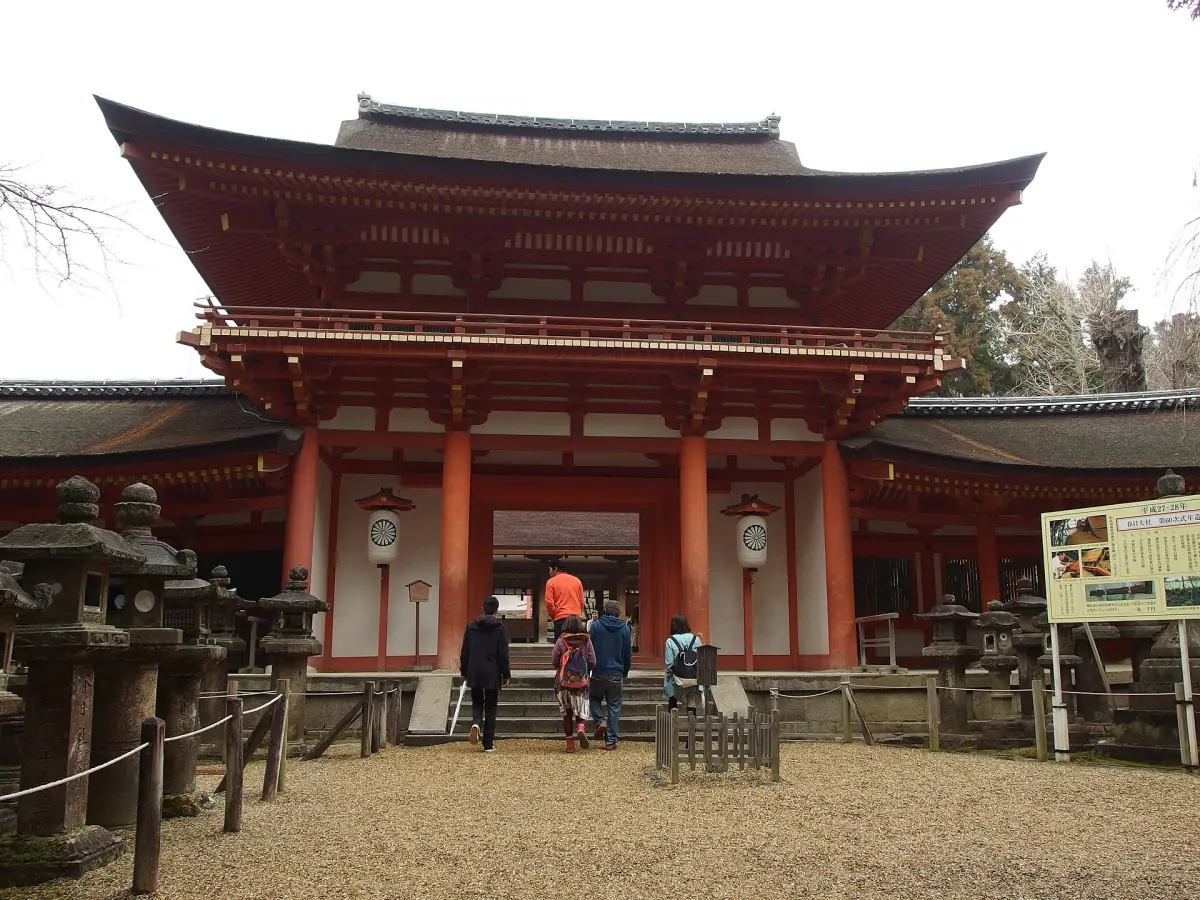
Five-hour walk: Todai-ji and Kasuga Taisha
Entry to all temples and shrines visited, a pack of deer food and lunch are included. Other food and drinks are extra.
Check availability →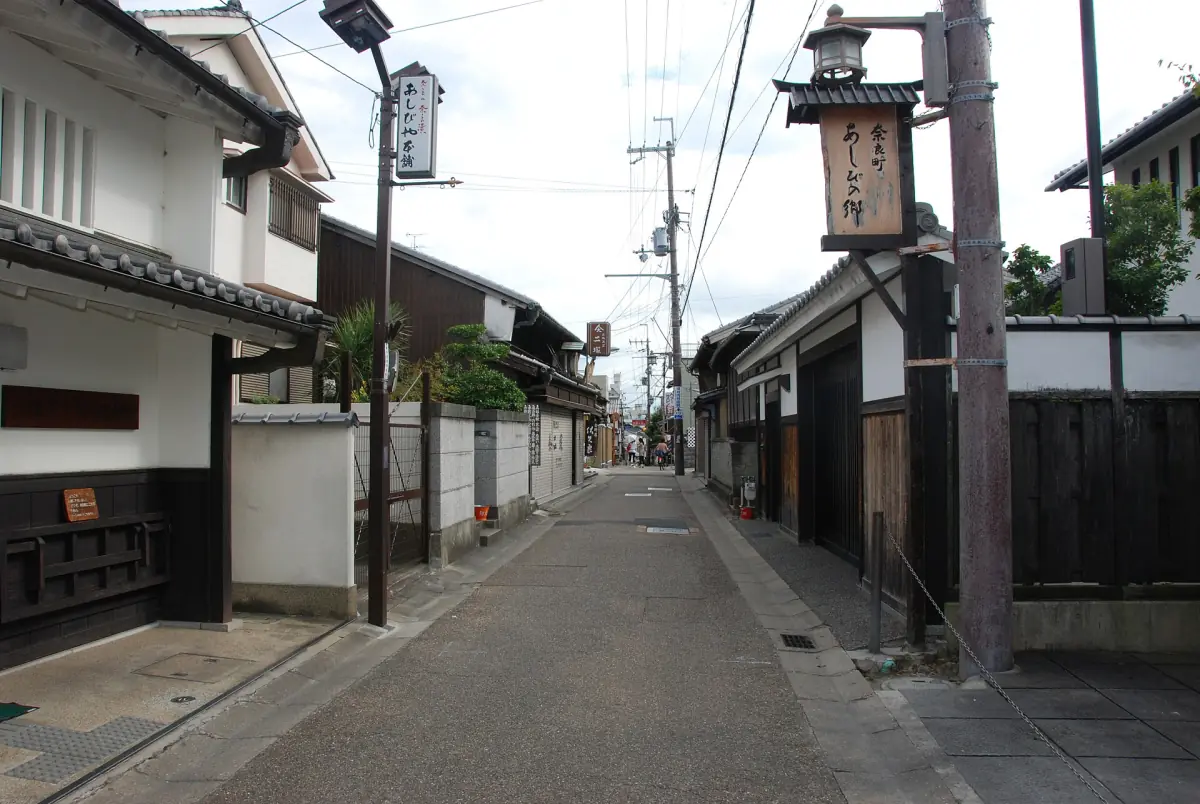
Nara Park, Kasuga Taisha and Naramachi walk
A guided 2.5-hour walk through Nara Park, Kasuga Taisha and Naramachi. Todai-ji entry is not included.
Check availability →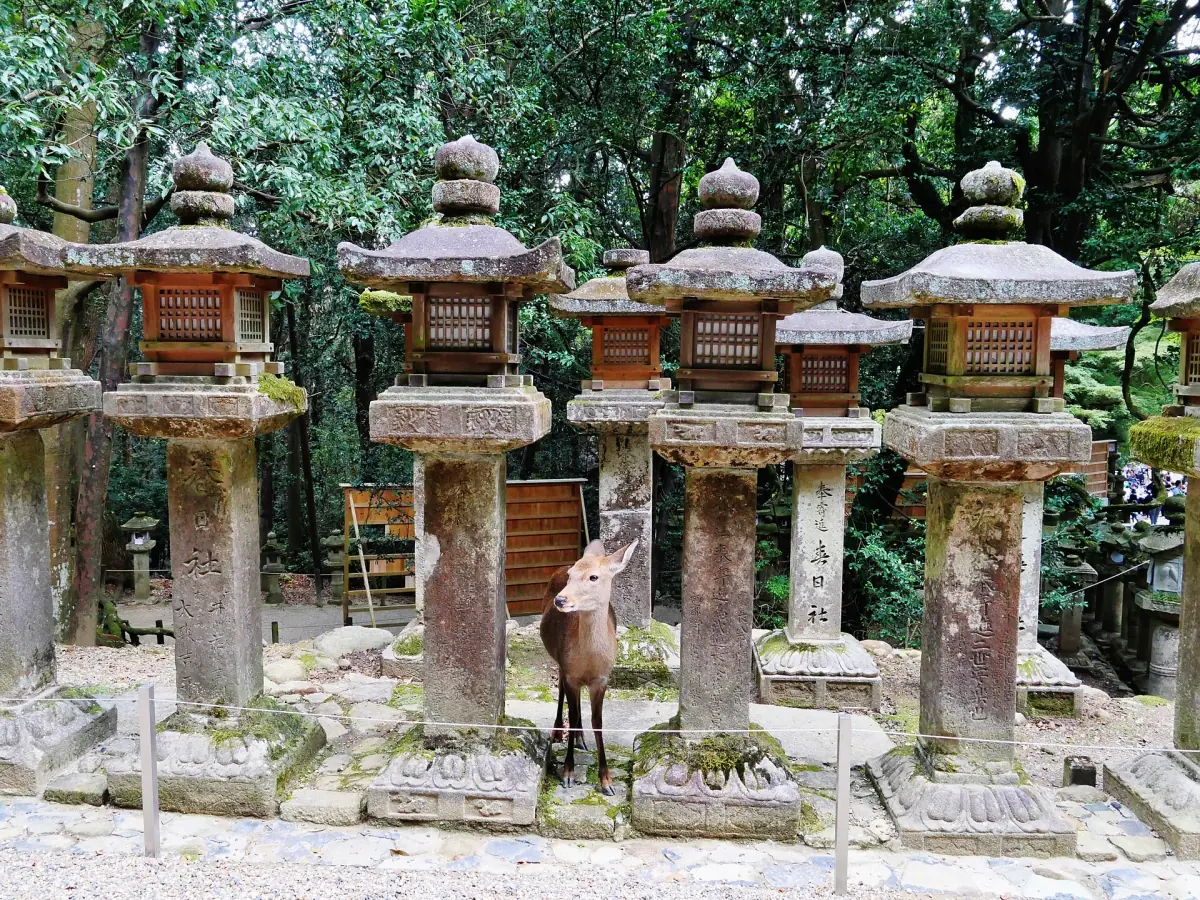
Great Buddha Hall and Kasuga Taisha walk
Three hours with a local guide in your language. The Great Buddha Hall, the prayer area at Kasuga Taisha and deer food are included; meals and drinks are extra.
Check availability →Nara tours and day trips
Guided walks, temple and shrine visits and day trips from Kyoto and Osaka, with live prices and availability.
Lanterns and festivals
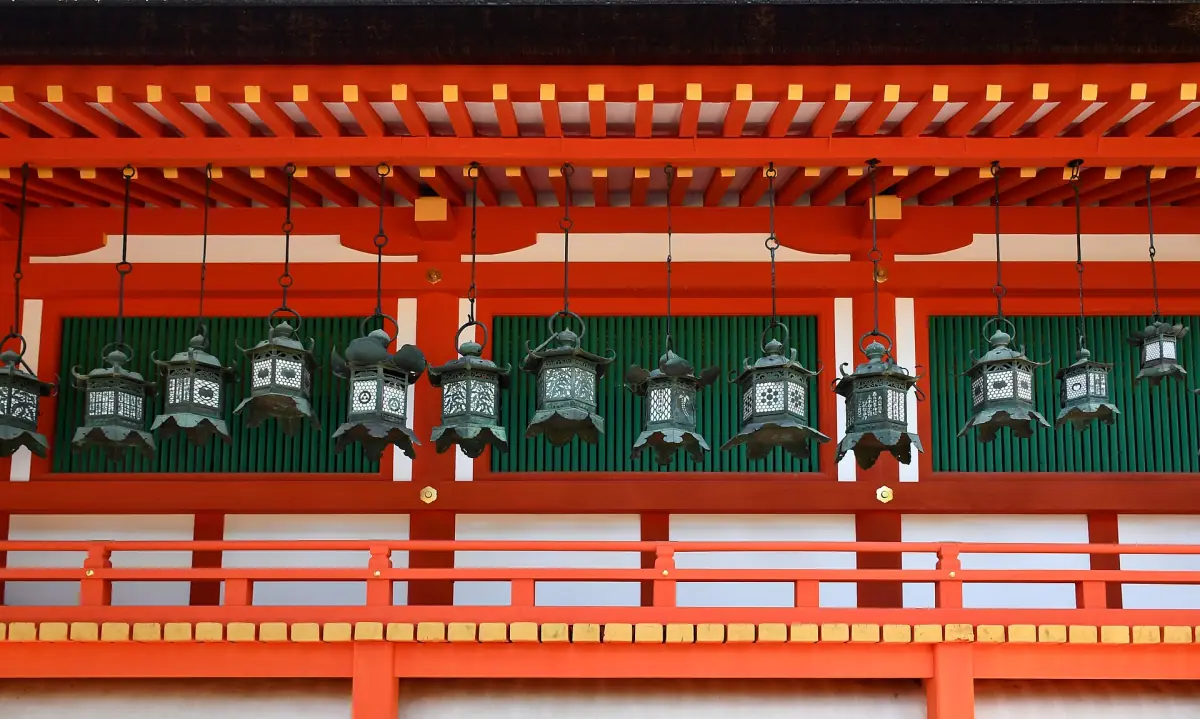
The shrine is best known for its lanterns, and for two nights when they are lit.
Stone lanterns line the approach, and bronze lanterns hang from the shrine buildings. On two occasions each year the lanterns are lit in the ceremony called Mantoro. These are festival nights, not an everyday sight, so check the date before you build a day around them.
Setsubun Mantoro, 3 February
The winter lantern festival falls on 3 February in the annual calendar. Treat the date as a planning guide and check it for your year.
Chugen Mantoro, mid-August
The summer festival took place on 14 and 15 August in 2026. The dates for later years can differ.
Guided Mantoro walk, 3 February 2027
Shrine staff lead a walk of about 70 minutes on 3 February 2027, starting at 19:30. It costs JPY 3,000 per person from elementary school age, and a minimum group of 5 is needed. It is a special program and not the same as general festival access.
Getting there and rules
Walking, bus and car.
On foot
From Kintetsu-Nara it is about 25 minutes. The walk passes through the park, so you meet the deer on the way. Our page on getting to Nara Park covers both stations.
By bus
City buses go to the stop named Kasuga Taisha Honden. Check the current timetable before you go.
By car
The shrine charges JPY 1,500 for a car and JPY 500 for a motorbike. Rituals can close parts of the grounds.
Rules on the grounds
No pets, no drones and no smoking. Treat the grounds as a place of worship, even on a busy day.
The deer
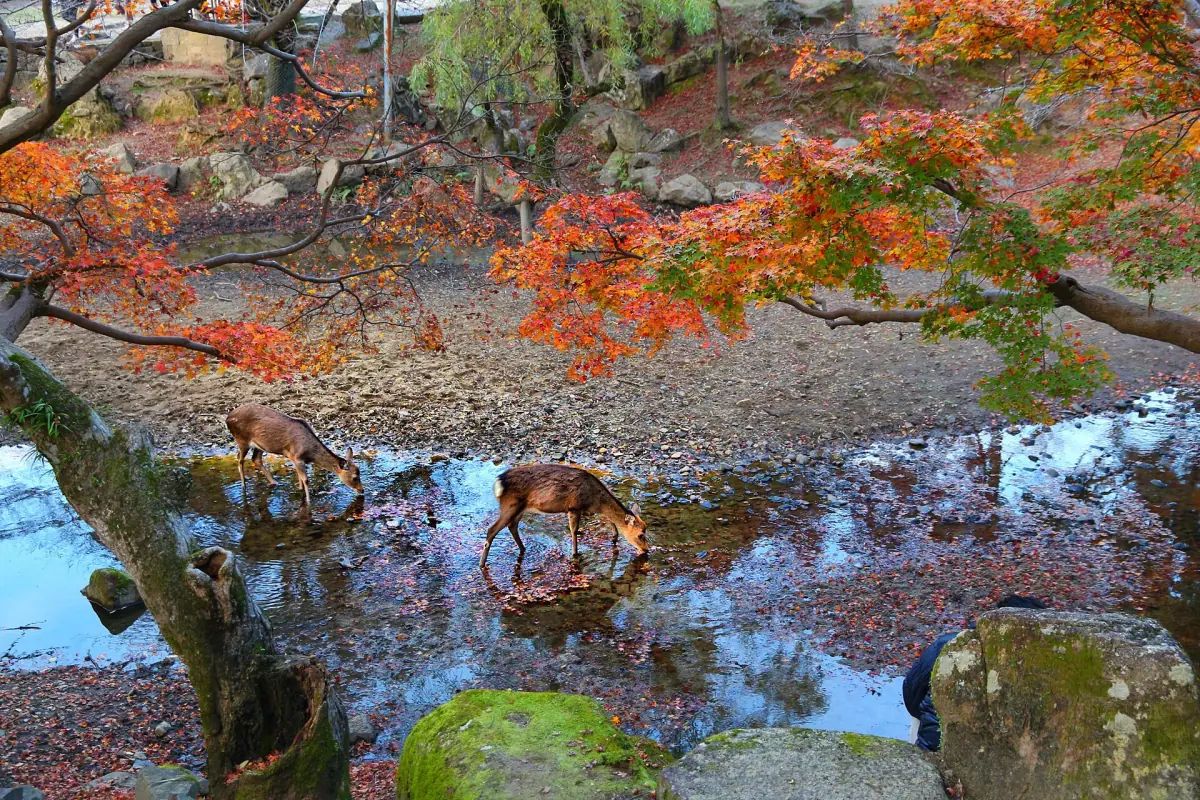
Deer walk among the stone lanterns and along the approach. They are wild animals. Feeding is generally not allowed; Shika Senbei are the only exception. Bites, kicks, charging and antler thrusts are the risks, and extra care is needed around males in autumn and around mothers after the birth season. See the deer of Nara.
Manyo Botanical Garden
A separate garden run by the shrine.
The garden has its own ticket. Adults pay JPY 700 and children pay JPY 300. It opens at 09:00 and closes at 16:30, and the last entry is at 16:00. From June to March it is closed on Tuesdays, with an exception for public holidays. In April and May it is open every day.
The garden fee is on top of the special sanctuary visit. If you want both, add the two fees together when you plan your budget.
Plan the rest of your day
Other stops within walking distance.
Kasuga Taisha: frequently asked questions
What are the opening hours of Kasuga Taisha?
A general visit runs 06:30–17:30 from March to October and 07:00–17:00 from November to February. The special visit to the main sanctuary is 09:00–16:00. Rituals can restrict access, so check the notices.
How much is the special visit?
The special visit to the main sanctuary costs JPY 700 in 2026. The Manyo Botanical Garden is a separate fee of JPY 700 for adults and JPY 300 for children.
Is Kasuga Taisha a temple?
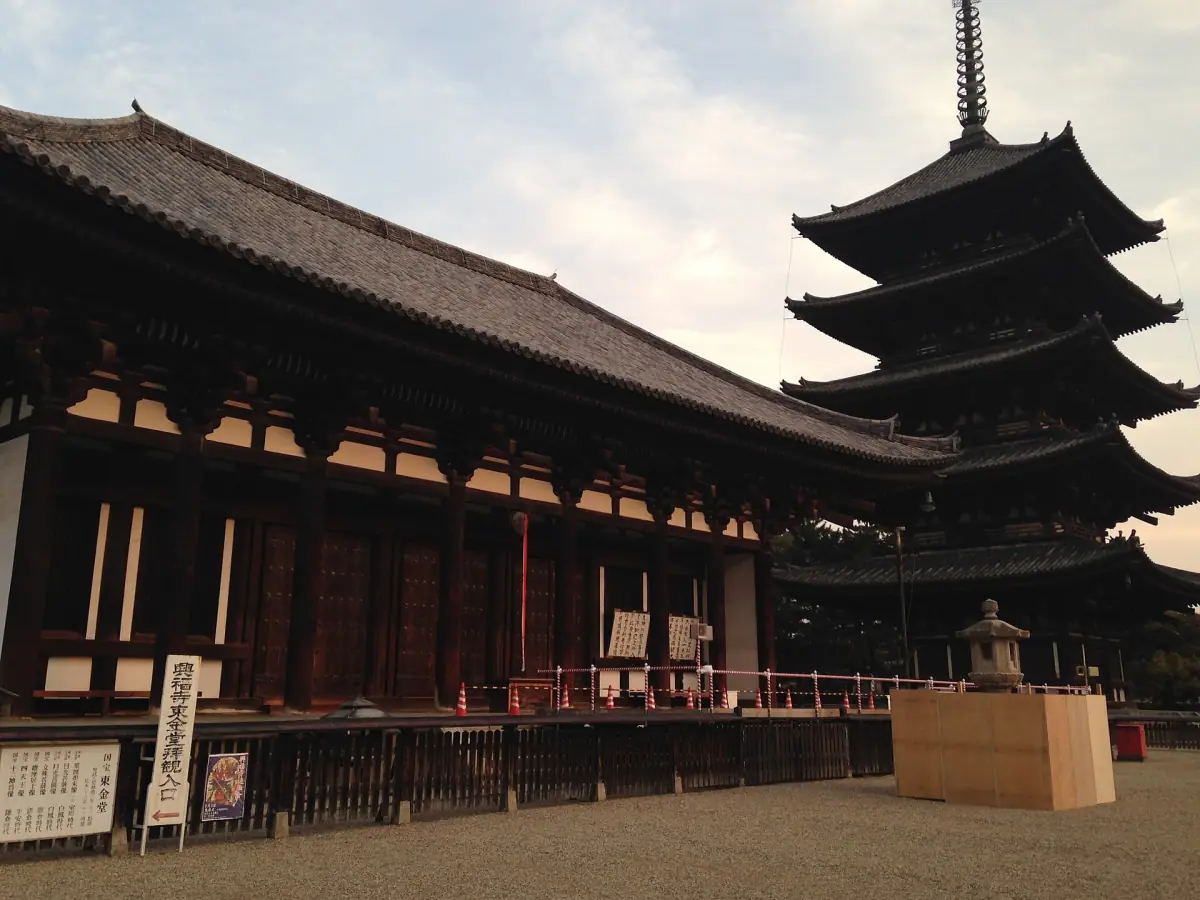
No. It is a Shinto shrine. Todai-ji and Kofukuji, which are also in the park area, are Buddhist temples.
When are the lanterns lit?
During the two Mantoro festivals. Setsubun Mantoro is on 3 February, and Chugen Mantoro was held on 14 and 15 August in 2026. Check the dates for the year you visit.
How far is it from the station?
About 25 minutes on foot from Kintetsu-Nara, or by bus to the stop Kasuga Taisha Honden.
Can I bring my dog?
No. Pets, drones and smoking are not allowed on the shrine grounds.